
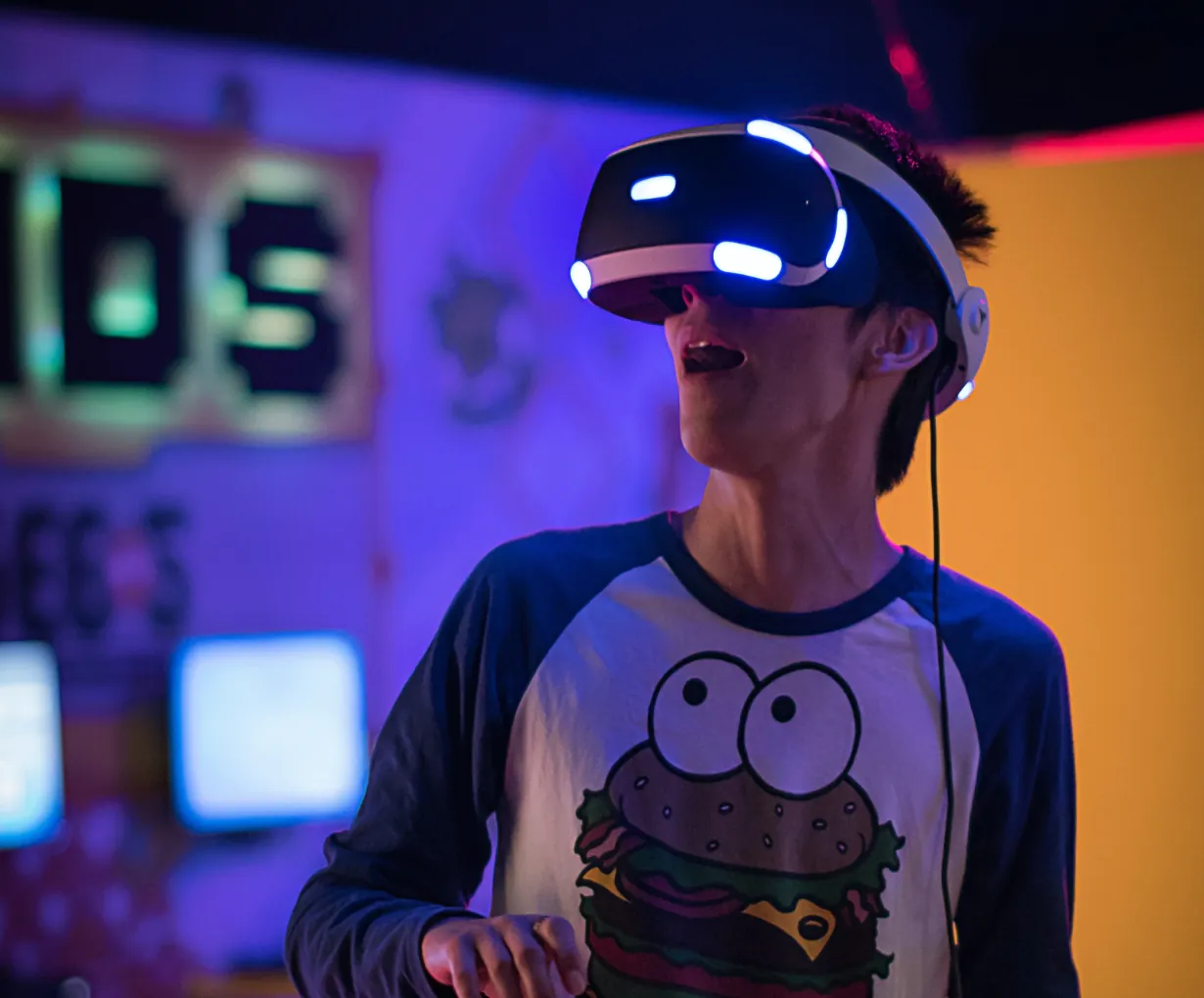
Virtual Reality (VR) is no longer just a futuristic concept or a gaming accessory. Today, it has become a practical technology adopted across industries—from workforce training and industrial simulation to immersive product demos and virtual events. When implemented correctly, VR helps businesses reduce risk, save time, and improve decision-making.
How Modern VR Is Different from the Past
Compared to a few years ago, VR technology has matured significantly. Standalone headsets eliminate the need for high-end PCs, motion tracking is more accurate, and content performance is far more stable. Most importantly, real-world use cases are now clearly defined, allowing VR to move from experimentation to everyday operations.
Five Practical VR Applications Used Today
1. Safety and Process Training
VR enables employees to practice procedures and safety protocols in a controlled virtual environment. This approach minimizes real-world risk while improving knowledge retention—especially valuable in industrial and high-risk workplaces.
2. Factory and Workflow Simulation
Before building or upgrading facilities, companies can walk through virtual factory layouts to test equipment placement, logistics flow, and safety zones. This helps identify bottlenecks early and avoids costly redesigns later.
3. Immersive 3D Product Experiences
Customers can interact with products at true scale—rotating, inspecting components, and customizing materials or colors. This is particularly effective for furniture, real estate, industrial equipment, and showroom-based sales.
4. Virtual Tours and Digital Events
Instead of static images or videos, users can explore spaces freely in a virtual environment. Virtual tours are widely used for exhibitions, campuses, hotels, showrooms, and projects that are still under construction.
5. Remote Sales and Virtual Demonstrations
Sales teams can present products without transporting physical samples. With standardized VR demos, presentations become more engaging, consistent, and cost-efficient—especially for remote or international clients.
What a Successful VR Implementation Requires
A practical VR project typically includes four key components:
- Hardware – Standalone VR headsets for portability or PC-based VR for high-performance needs.
- Content – Optimized 3D models, interactive scenarios, and intuitive VR user interfaces.
- Operations System – Device setup, content updates, and headset management at scale.
- Clear KPIs – Metrics such as reduced training time, improved sales conversion, or fewer operational errors.
Common Mistakes to Avoid
- Creating visually impressive VR content without measurable business goals.
- Overly complex 3D assets that cause performance issues or motion discomfort.
- Poor user experience design, including confusing navigation or unreadable text.
- Purchasing hardware without a plan for long-term content maintenance and updates.
A Low-Risk VR Adoption Roadmap
- Weeks 1–2: Select a single, focused use case (e.g., a 10-minute training module or a virtual showroom).
- Weeks 3–6: Build a prototype and conduct internal testing for usability and comfort.
- Weeks 7–10: Optimize performance, finalize content, and define operational workflows.
- After launch: Expand with additional modules, products, or locations.
Conclusion
VR delivers the greatest impact when treated as a functional tool within a workflow, not a one-time marketing experiment. By focusing on real problems, smooth performance, and clear success metrics, organizations can unlock lasting value from immersive technology.