
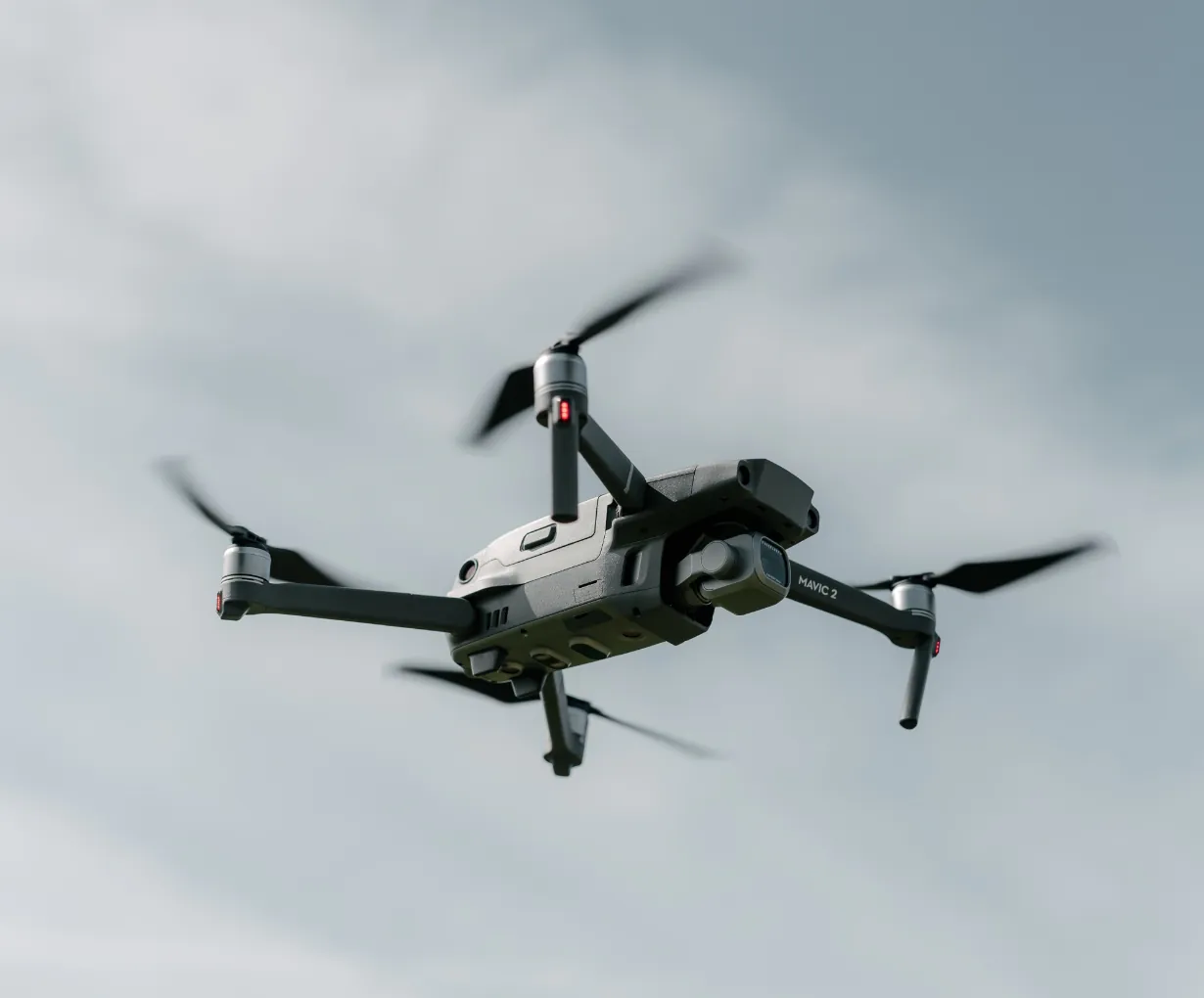
Drones are no longer limited to hobbyists or cinematic shots. Today, they have become practical tools across industries—supporting inspection, surveying, logistics, agriculture, and security. Compact hardware, intelligent sensors, and advanced stabilization have turned drones into reliable flying devices for real-world work.
What Makes Modern Drones So Capable?
Modern drones combine several key technologies:
- High-resolution cameras with gimbal stabilization
- GPS and vision-based positioning systems
- Obstacle detection and collision avoidance
- Intelligent flight modes powered by onboard processors
These features allow drones to fly with precision, even in challenging environments.
Real-World Applications of Drones
1) Aerial Photography and Media
Drones enable photographers and filmmakers to capture perspectives that were once expensive or impossible. From real estate to advertising and live events, aerial visuals have become a standard creative tool.
2) Inspection and Monitoring
Industries use drones to inspect:
- Power lines and wind turbines
- Construction sites and bridges
- Rooftops and hard-to-reach structures
This reduces risk, saves time, and lowers operational costs compared to manual inspection.
3) Mapping and Surveying
With proper sensors and software, drones can generate accurate maps, 3D models, and terrain data. These outputs support urban planning, construction, mining, and infrastructure development.
4) Agriculture and Environmental Use
Farmers deploy drones to:
- Monitor crop health
- Detect irrigation issues
- Optimize fertilizer and pesticide usage
Environmental teams also use drones to track wildlife, assess damage, and monitor remote areas.
5) Security and Emergency Response
Drones assist in search-and-rescue missions, traffic monitoring, and disaster assessment. Their speed and aerial perspective help teams make faster, better-informed decisions.
Key Considerations Before Using Drones
- Regulations: Airspace laws vary by country and region. Compliance is essential.
- Battery life: Flight time impacts mission planning.
- Weather conditions: Wind and rain can affect stability and safety.
- Data handling: Captured images and footage must be stored and secured properly.
The Future of Drone Technology
As batteries improve and AI-driven navigation advances, drones will become even more autonomous. Integration with cloud platforms and real-time data analysis will push drones beyond observation—into predictive and decision-support roles.
Conclusion
Drones are no longer experimental gadgets. When used correctly, they are powerful tools that improve visibility, efficiency, and safety across multiple fields. The key is understanding the problem you want to solve—and choosing the right drone technology to match it.